
FDA-cleared laser caps use low-level red light (650-670 nm) to stimulate hair follicles through photobiomodulation — a process with real clinical evidence behind it. A 2021 meta-analysis of 7 randomized controlled trials of FDA-cleared home-use devices found a significant increase in hair density versus sham — though only a few of the devices on the market have been tested. But not all laser caps are equal: they differ substantially in diode count, clinical evidence, wavelength mix, and price.
This guide ranks the 6 best options based on the clinical data, not marketing copy.
For a full explanation of how LLLT works, the mechanism of action, and what the research actually shows, see our Laser Therapy for Hair Loss treatment guide.
Quick Answer
The Capillus Spectrum is the most powerful device — 312 all-laser diodes, the highest count here — but at ~$2,299 it's more than most people need. The iRestore Professional is the best value: a company-reported trial (43.2% average hair-count increase) and 282 diodes for ~$799. HairMax has the deepest research portfolio (7 studies and 460 participants, per the company). Beware cheap caps advertising huge 'emitter' counts — those are LEDs, not true lasers.
How We Ranked These Devices
We evaluated each laser cap on five weighted criteria:
1. Clinical evidence (40% weight). Does the specific device — not just "LLLT generally" — have published randomized controlled trial data? How many studies? How many participants? Were studies sham-controlled? This is the most important factor.
2. Diode count and coverage (25% weight). More diodes means better scalp coverage. A cap with 100 diodes and a cap with 280 diodes covering the same surface area deliver very different photon doses to individual follicles. We verified manufacturer diode counts and coverage maps.
3. Price-to-value ratio (20% weight). A cap that costs $700 needs to offer meaningfully more than a $400 cap to justify the premium. We assessed clinical evidence and diode count relative to price.
4. User experience and design (10% weight). Weight, battery life, ease of use, and whether the cap can be worn while doing other activities all affect compliance — and compliance drives results.
5. Verified user results and review quality (5% weight). We reviewed independent user reports across multiple platforms, weighting verified purchaser reviews over curated testimonials.
Our Rankings
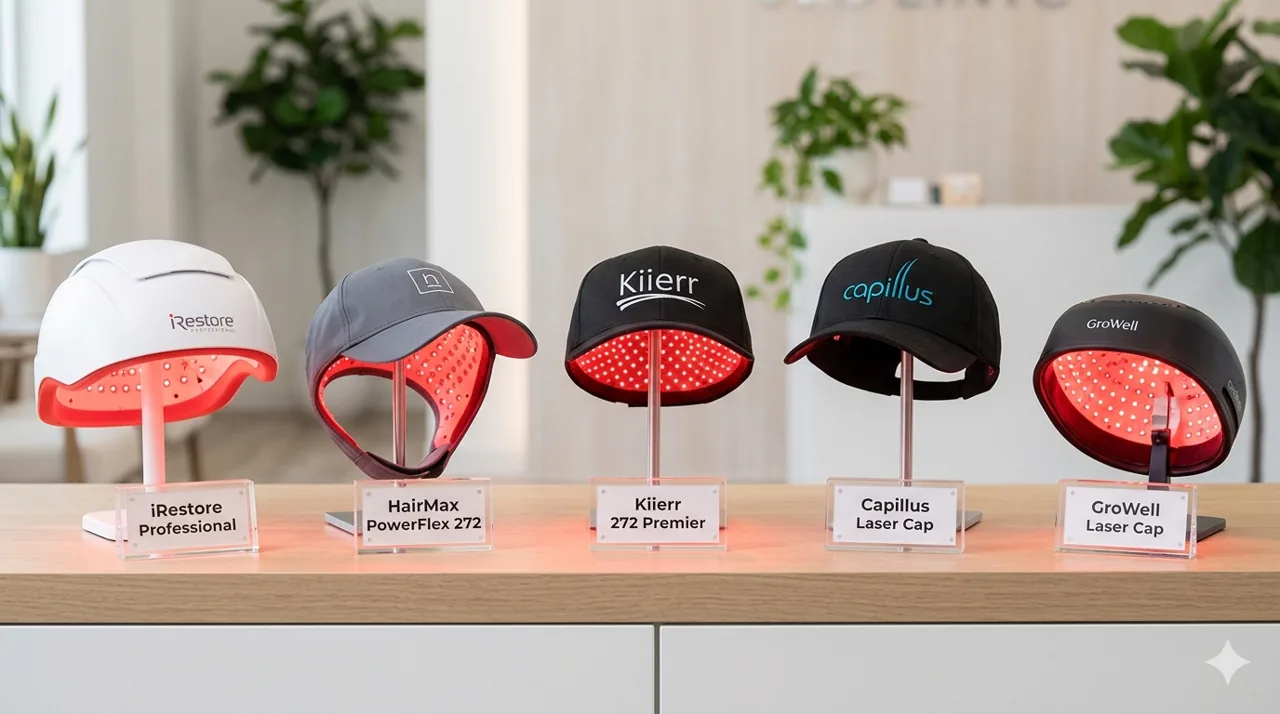
Capillus Spectrum
Best For
Most powerful — highest laser count
Works In
4-6 months
Price
Currently unavailable
on Amazon · as of Sep 15
Pros
- ✓312 medical-grade laser diodes — all true lasers, no LEDs (the most in this ranking)
- ✓Highest photon density and scalp coverage of any cap here
- ✓Just 6-minute hands-free sessions — the shortest treatment time
- ✓FDA cleared; assembled in the USA
Cons
- ✗By far the most expensive — a steep premium over near-equivalent caps
- ✗Clinical evidence for this specific model is thin — the published Capillus-affiliated sham-controlled trial (Friedman 2017) tested an earlier laser cap design in women
- ✗The jump from ~280 to 312 lasers is real but incremental for most users
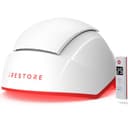
iRestore Professional
Best For
Best value — flagship specs at a fraction of the price
Works In
4-6 months
Price
$899.00
as of Sep 15
Pros
- ✓Company-reported trial showing 43.2% average hair count increase in 4 months
- ✓282 lasers and LEDs — full scalp coverage
- ✓FDA cleared via 510(k) pathway
- ✓Hands-free cap design allows use during other activities
- ✓Built-in timer and automatic shutoff
Cons
- ✗Mix of lasers and LEDs (not all diodes are true lasers)
- ✗25-minute sessions required every other day
- ✗Clinical trial results are company-announced and not found in a peer-reviewed journal — independent replication limited
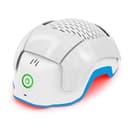
Theradome PRO LH80
Best For
Best laser-only helmet — shortest protocol
Works In
4-6 months
Price
$995.00
as of Sep 15
Pros
- ✓80 medical-grade lasers — 100% lasers, no LEDs (verified against the FDA filing)
- ✓Shortest protocol here — 20-minute sessions, just 2×/week
- ✓Has run its own randomized, sham-controlled trial on this helmet
- ✓FDA-cleared (510(k) K171775); cordless, ~15 oz full-scalp helmet
Cons
- ✗That trial is company-sponsored and not yet published in a peer-reviewed journal
- ✗Fewer diodes than the big caps (coverage comes from helmet fit, not sheer count)
- ✗Refunds carry a 25% service fee
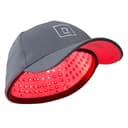
HairMax PowerFlex 272
Best For
Most extensive clinical research portfolio
Works In
4-6 months
Price
$1,799.00
as of Sep 15
Pros
- ✓7 clinical studies with 460 participants (company-reported), including peer-reviewed sham-controlled trials
- ✓Company reports an 'over 90%' success rate; its published LaserComb trials showed significant terminal-hair gains versus sham at 26 weeks
- ✓272 medical-grade laser diodes (all lasers, no LEDs)
- ✓FDA cleared across multiple device iterations
- ✓Longest track record of any laser cap brand
Cons
- ✗Much pricier than the iRestore for marginally fewer true lasers
- ✗The published sham-controlled trials used the handheld LaserComb, not the current PowerFlex cap
- ✗Heavier than some competitors
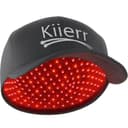
Kiierr 272 Premier
Best For
272 lasers at a mid-range price
Works In
4-6 months
Price
$1,099.99
as of Sep 15
Pros
- ✓272 true laser diodes — matches HairMax for several hundred dollars less
- ✓FDA cleared
- ✓Lightweight cap design with rechargeable battery
- ✓30-minute hands-free sessions
- ✓2-year warranty
Cons
- ✗Less clinical data than iRestore or HairMax
- ✗Newer brand — limited long-term real-world data
- ✗Company-sponsored clinical data only
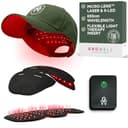
GroWell Laser Cap
Best For
Lowest-cost in-stock option
Works In
5-9 months
Price
$499.99
as of Sep 15
Pros
- ✓Lowest price among the in-stock FDA-cleared caps here
- ✓FDA cleared
- ✓Acceptable diode count for coverage
- ✓Straightforward design
Cons
- ✗Fewest diodes in this ranking
- ✗No published peer-reviewed clinical trials for this device
- ✗Newer brand with limited independent user review data
- ✗Longer expected timeline to results at lower energy dose
Not Sure Which? Find Your Match
Answer four quick questions and we'll narrow the field to three devices that fit your pattern, budget, and preferences — with the evidence grade shown on each.
Find Your Laser Device
Step 1 of 4Four questions, three honest picks — with the evidence grade shown on each. A guide, not medical advice.
1. What does your hair loss look like?
Device Comparison Table
| Device | Price | Light source | Clinical Studies | Session Length | FDA Cleared |
|---|---|---|---|---|---|
| Capillus Spectrum | ~$2,299 | 312 diodes — all true lasers | Limited for this model | 6 min, daily | Yes |
| iRestore Professional | ~$799 | 282 — lasers + LEDs (mixed) | 1 company-reported RCT (43.2% improvement) | 25 min, every other day | Yes |
| HairMax PowerFlex 272 | ~$1,799 | 272 — all true lasers | 7 studies, 460 participants | 7 min, 3x/week | Yes |
| Kiierr 272 Premier | ~$1,099 | 272 — all true lasers | Limited | 30 min, every other day | Yes |
| GroWell Laser Cap | ~$499 | mid-tier diodes | None published | ~30 min, every other day | Yes |
Why Prices Range from ~$500 to ~$2,300 (Lasers vs. LEDs)
The single biggest reason one cap costs $500 and another costs $2,300 is true laser diodes versus LED emitters — and it's the spec most likely to mislead you.
- True laser diodes produce coherent, single-wavelength light that penetrates the scalp more precisely. This is the light source used in the clinical LLLT trials, and it's what the premium caps are built around (the Capillus Spectrum is 312 lasers with no LEDs; HairMax and Kiierr are all-laser too).
- LED emitters are cheaper, incoherent, and penetrate less effectively. Budget caps lean on them — and then advertise huge emitter counts to look impressive.
That's the trap: a $150 cap boasting "528 emitters" sounds like more than the Spectrum's 312 — but those are mostly LEDs, not lasers. Emitter count is not diode count, and 500 weak LEDs do not equal 300 medical-grade lasers. When you compare caps, check whether the number refers to true laser diodes or total emitters/LEDs.
The rest of the premium — higher per-diode power (mW), shorter sessions, published clinical studies on the specific device, and brand track record — is real but secondary to the laser-vs-LED distinction. It's also why a mid-priced cap like the iRestore (mixed lasers and LEDs) or the all-laser Kiierr is usually the smarter buy than either extreme.
What to Look For in a Laser Cap
Diode count. More diodes generally means more even coverage, but there is no evidence-based minimum: sham-controlled trials have shown significant results with a 9-beam comb and a helmet with 21 lasers plus 30 LEDs. Total delivered energy — per-diode output, coverage and session length — matters more than the headline count.
True lasers vs. LEDs. Some devices mix laser diodes with LED light sources. True laser diodes are coherent light sources that penetrate tissue more precisely. LEDs are incoherent and may penetrate less effectively. This is why "282 lasers and LEDs" is a different claim from "282 laser diodes." Read specifications carefully.
Wavelength. The evidence-supported range is 650-670 nm for red light. Some devices add 850 nm near-infrared light, which penetrates deeper. The evidence for near-infrared additions is less established but plausible given the photobiomodulation mechanism.
Session protocol. Devices with built-in timers and automatic shutoffs make compliance easier. Session length varies by device (from a few minutes to about 30) because output differs, so follow the cleared protocol for your specific model; longer-than-recommended sessions are not more effective and may reduce compliance.
FDA clearance. Verify that the specific device model — not just the brand — holds 510(k) clearance. Device databases can be searched on the FDA website. All six devices in this ranking are FDA-cleared.
Warranty and return policy. At these prices, a meaningful warranty (1-2 years minimum) and a 30-day return window are reasonable expectations. Verify before purchasing.
For most people the sweet spot is the iRestore Professional — near-flagship coverage (282 diodes) and a company-reported 43.2% trial result at roughly a third of the Capillus Spectrum's price. It's our best-value pick.
How to Maximize Your Results
Start early. Laser therapy, like all hair loss treatments, works better on miniaturizing follicles than on follicles that have been dormant for years. The earlier you start, the more viable follicles you have to respond.
Combine with minoxidil. The most evidence-supported use of laser caps is as a complement to minoxidil and/or finasteride, not as a replacement. LLLT and minoxidil work through different mechanisms — photostimulation vs. vasodilation and anagen prolongation — and some trials suggest their effects are additive, though meta-analyses of the combination have produced mixed results. Here's how to run the minoxidil + laser cap combination.
Apply minoxidil after laser sessions. Some clinicians recommend this sequencing: use the laser cap first to stimulate follicles and increase scalp circulation, then apply minoxidil while the scalp is in a stimulated state. The rationale is sound; the specific evidence is limited but the approach has no downside.
Use consistently for 12 months before evaluating. Most laser cap users make the mistake of evaluating results too soon (at 2-3 months) or too infrequently (sporadic sessions). Commit to the protocol for 12 months and document with monthly standardized photos.
Manage expectations. In sham-controlled trials, hair counts rose significantly more with active devices than with sham devices over 16-26 weeks. This is real, meaningful improvement. It is not dramatic reversal of significant baldness. For advanced hair loss, hair transplantation remains the only treatment with evidence for meaningful restoration.
A Note on Combination Therapy
The clinical case for adding LLLT to a standard regimen is stronger than the case for LLLT as monotherapy. Key reasons:
- Finasteride addresses the primary hormonal driver of androgenetic alopecia (DHT)
- Minoxidil prolongs the anagen phase and dilates scalp vasculature
- LLLT adds direct photostimulation of follicle stem cells — a mechanistically distinct pathway
All three approaches together cover the major known mechanisms of androgenetic alopecia treatment. For patients already on finasteride + minoxidil who want to do more, a laser cap is one of the better evidence-based, low-risk add-ons available.
Our top pick
iRestore Professional
The best balance of scalp coverage, comfort, and price among the FDA-cleared laser caps we tested.
Sources
- Jimenez JJ, Wikramanayake TC, Bergfeld W, et al. Efficacy and safety of a low-level laser device in the treatment of male and female pattern hair loss: a multicenter, randomized, sham device-controlled, double-blind study. American Journal of Clinical Dermatology. 2014;15(2):115-127. PMCID: PMC3986893. PMID: 24474647.
- Afifi L, Maranda EL, Zarei M, et al. Low-level laser therapy as a treatment for androgenetic alopecia. Lasers in Surgery and Medicine. 2017;49(1):27-39. PMID: 27114071.
- Lueangarun S, Visutjindaporn P, Parcharoen Y, Jamparuang P, Tempark T. A systematic review and meta-analysis of randomized controlled trials of United States Food and Drug Administration-approved, home-use, low-level light/laser therapy devices for pattern hair loss: device design and technology. Journal of Clinical and Aesthetic Dermatology. 2021;14(11):E64-E75. PMCID: PMC8675345. PMID: 34980962.
- Liu KH, Liu D, Chen YT, Chin SY. Comparative effectiveness of low-level laser therapy for adult androgenic alopecia: a system review and meta-analysis of randomized controlled trials. Lasers in Medical Science. 2019;34(6):1063-1069. PMID: 30706177.
- Leavitt M, Charles G, Heyman E, Michaels D. HairMax LaserComb laser phototherapy device in the treatment of male androgenetic alopecia: a randomized, double-blind, sham device-controlled, multicenter trial. Clinical Drug Investigation. 2009;29(5):283-292. PMID: 19366270.
- HairMax (Lexington International). Clinical research and results (7 clinical studies, 460 participants). hairmax.com. Company-reported data, accessed September 2026.
- iRestore (Freedom Laser Therapy). Company-announced 16-week, 40-subject double-blind trial — 43.2% average hair count increase at 4 months. Company-reported data; not located in a peer-reviewed journal.
- Hamblin MR. Photobiomodulation for the management of alopecia: mechanisms of action, patient selection and perspectives. Clinical, Cosmetic and Investigational Dermatology. 2019;12:669-678. PMCID: PMC6737896. PMID: 31686888.
- U.S. Food and Drug Administration. 510(k) Premarket Notification database — laser hair growth devices. fda.gov/medical-devices. Accessed March 2026.
- Friedman S, Schnoor P. Novel approach to treating androgenetic alopecia in females with photobiomodulation (low-level laser therapy). Dermatologic Surgery. 2017;43(6):856-867. PMID: 28328705.
- Lanzafame RJ, Blanche RR, Bodian AB, et al. The growth of human scalp hair mediated by visible red light laser and LED sources in males. Lasers in Surgery and Medicine. 2013;45(8):487-495. PMID: 24078483.
- Mawu FO, Sondakh ORL, Kairupan TS, Christopher PM. Comparative efficacy and safety of low-level laser therapy and topical minoxidil combination vs. topical minoxidil monotherapy in androgenetic alopecia management: a systematic review and meta-analysis of randomized controlled trials. Lasers in Medical Science. 2025;40(1):338. PMID: 40826200.
- Alosaimi A, Algarni A, Alharbi A, et al. Comparative efficacy of minoxidil alone versus minoxidil combined with low-level laser therapy in the treatment of androgenic alopecia: a systematic review and meta-analysis. Journal of Dermatological Treatment. 2025;36(1):2447355. PMID: 39828269.